Why Heirlooms, Antiques and Vintage are Hard to Decorate With
joy of nesting
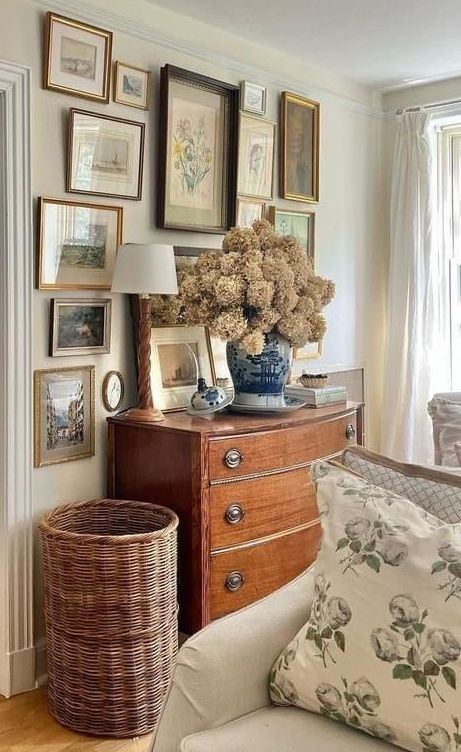
Blending different styles in a home can be challenging, which is exactly why heirlooms, antiques, and vintage are hard to decorate around. Even when each piece is beautiful on its own, it can still be hard to create a space that feels cohesive.
Which pieces work best with your older furniture? How do you prevent it from looking tired or dingy? And what simple updates can make your cherished pieces shine for years to come?
The Challenges of Decorating with Heirlooms, Antiques and Vintage Pieces
Decorating around heirlooms, antiques and vintage pieces isn’t as simple as placing them in a room. Even the most pieces can feel out of place if you don’t know what to do with them.
Older furniture or vintage pieces often clash with modern décor. And many older pieces carry memories or sentimental value, which can make design decisions feel emotional.
The Challenges of Decorating with Heirlooms, Antiques and Vintage Pieces
Decorating around heirlooms, antiques and vintage pieces isn’t as simple as placing them in a room. Even the most beautiful pieces can feel out of place if you don’t know what to do with them.
Older furniture or vintage pieces often clash with modern décor. And many older pieces carry memories or sentimental value, which can make design decisions feel emotional. Knowing what pairs well with them, knowing where to place them, and finding the right balance of old and new are the keys to decorating with older furniture.
Homes with Only Old Pieces Can Look Stuffy
Rooms filled exclusively with older furniture can feel heavy. Even beautiful antiques lose their charm if there is nothing to indicate current styles. Without lighter, fresher elements, the room can seem dated rather than timeless.
One key is contrast.
Pairing antiques with simpler, modern pieces—like a modern lamp, fresh fabrics or a neutral rug — helps your older furniture feel newer. Even small updates, like swapping throw pillows or adding a neutral, textured rug can lift the room instantly.
Pay attention to scale and spacing.
Large, substantial pieces placed too close together can make a room feel busy. Leaving breathing room around each item allows its craftsmanship to be appreciated and keeps the space feeling open.
Finally, consider color and light. Lighter wall colors, reflective surfaces, and natural light help offset the weight of older pieces. This combination creates a home that feels curated and elegant rather than heavy or stuffy.
Homes with Only New Pieces Can Feel Impersonal
Conversely, rooms filled entirely with new furniture can feel cold or lacking in character.
While modern pieces may be stylish and coordinated, without anything older they often don’t carry the warmth, history or personality that older pieces naturally have. Without elements that tell a story, a home can feel more like a showroom than a lived-in space.
Adding carefully chosen heirlooms, antiques, or vintage pieces brings depth and individuality. An older, high-quality sideboard, breakfront or hutch can anchor a room and give it a sense of history. These items introduce a sense of meaning and sentiment that new pieces can’t.
Simple Ways to Make Decorating Around Heirlooms, Antiques, and Vintage Easier
Decorating with heirlooms, antiques and vintage pieces can be simpler than it feels.
-
Refinish or recover older furniture to refresh its look without losing character.
-
Mix in modern accents — lamps, rugs or textiles to create cohesion and freshen up the looks of older furniture.
-
Plan your layout carefully— use larger pieces to anchor your spaces and give them breathing room to highlight their inherent character.
-
Consider investing in curated changes that pull a room together, like decorative paint techniques, new wood stains, fresh upholstery or slipcovers.
These steps are a great start to creating a home that feels personal and effortlessly styled.
Learning how to decorate around heirlooms, antiques, and vintage pieces allows your home to tell a story and creates a space that feels authentic, comfortable, and cohesive.
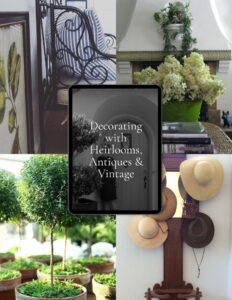
Next Step: Download the Decorating with Heirlooms, Antiques and Vintage
Refresh your home around your heirlooms, antiques and vintage pieces with thoughtful ways to showcase meaningful pieces. You’ll get a curated approach to mixing inherited items with your current furnishings; ideas for highlighting age, character, and craftsmanship — without creating a dated look; and inspiration for refreshing older pieces with a designer’s eye.
What is Wellness Design? Learn more about the connection between your wellbeing and your home, featured on Deirdre Fitzpatrick’s Dying to Ask Podcast. And if you’d like to dive deeper into this topic, check out my blog post, “Hiring an Interior Designer”.
March 19, 2026
What's Popular
READERS' FAVORITES